Guide

How to play Owls.

Three rules, one roost a day, exactly one solution. Every tree is made to be reasoned out: the owls already on it are always enough, no guessing required.

Play today's roost Start with an easy one

The rules.

1. Every owl keeps the day or the night. Each row and each column has as many day owls as night owls.

2. Never three alike side by side. Three day owls or three night owls in a row, across or down, is never allowed.

3. No twins. No two rows may be the same from end to end, and no two columns either. You will not need this rule on Monday or Tuesday, but from Wednesday on almost every tree needs it.
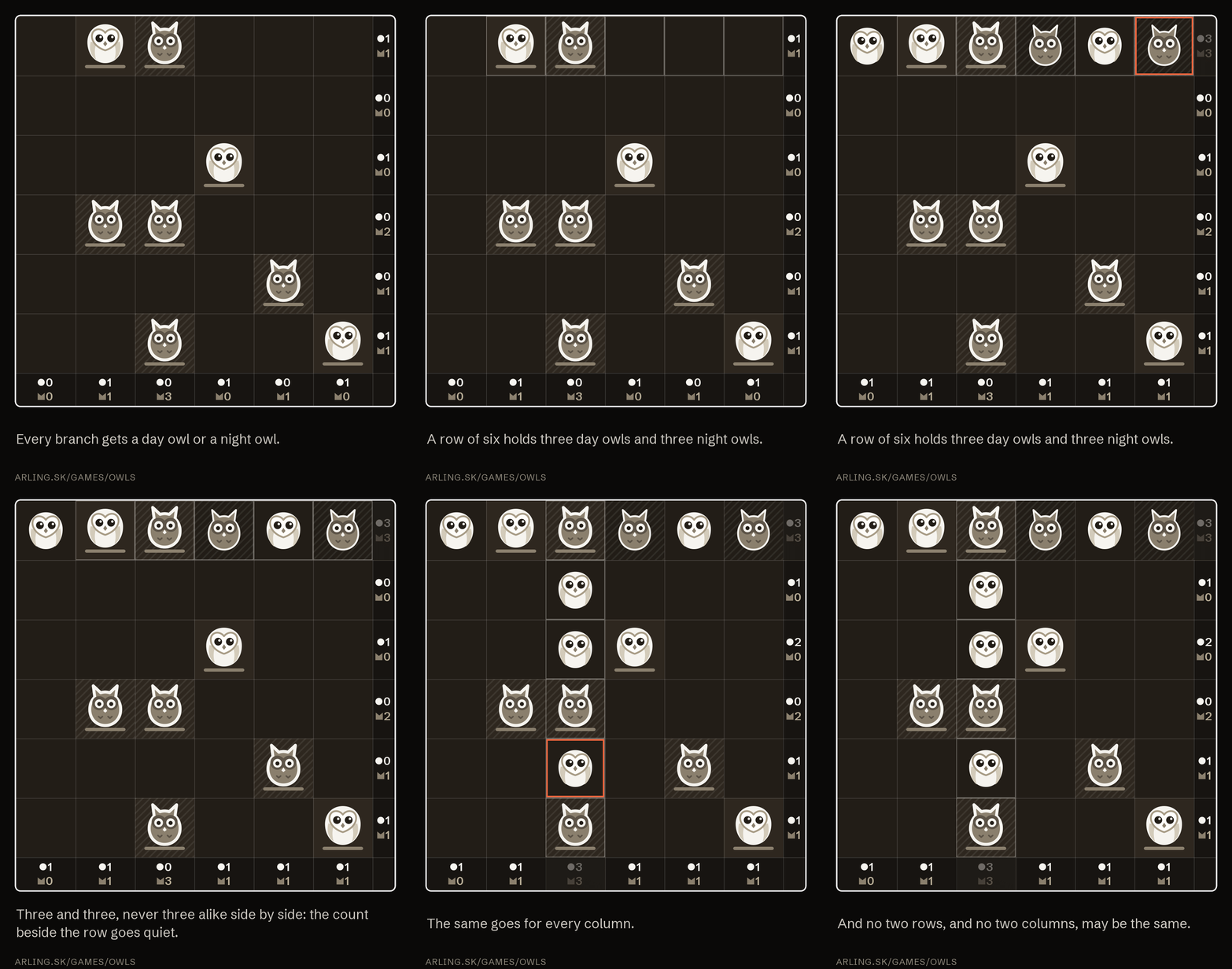
Animation: owls fill one row until it has three day owls and three night owls, the row settles, then a column does the same.

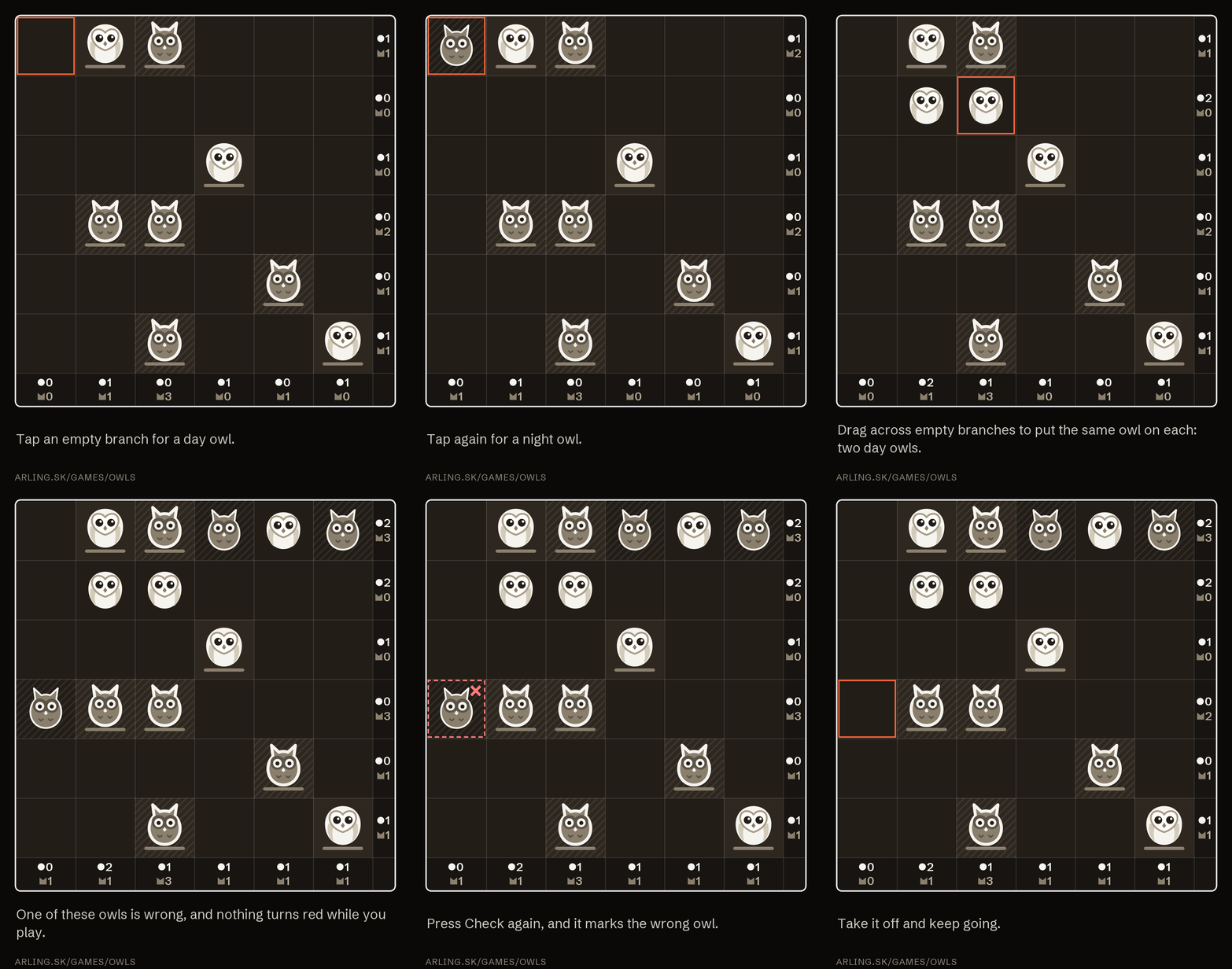
Tap an empty branch for a day owl, tap again for a night owl, once more to clear it. Drag to put the same owl on several empty branches at once. The owls that came with the tree cannot be moved. On a keyboard, arrows move, D or 1 places a day owl, N or 2 a night owl, Delete clears, U undoes, R redoes, P pauses.

A wrong owl is shown by Check when you ask, never by the board turning red while you play.

Animation: a branch cycles through day owl, night owl and empty, a drag places two owls, and a wrong owl is shown only after Check is pressed twice.

A way in.

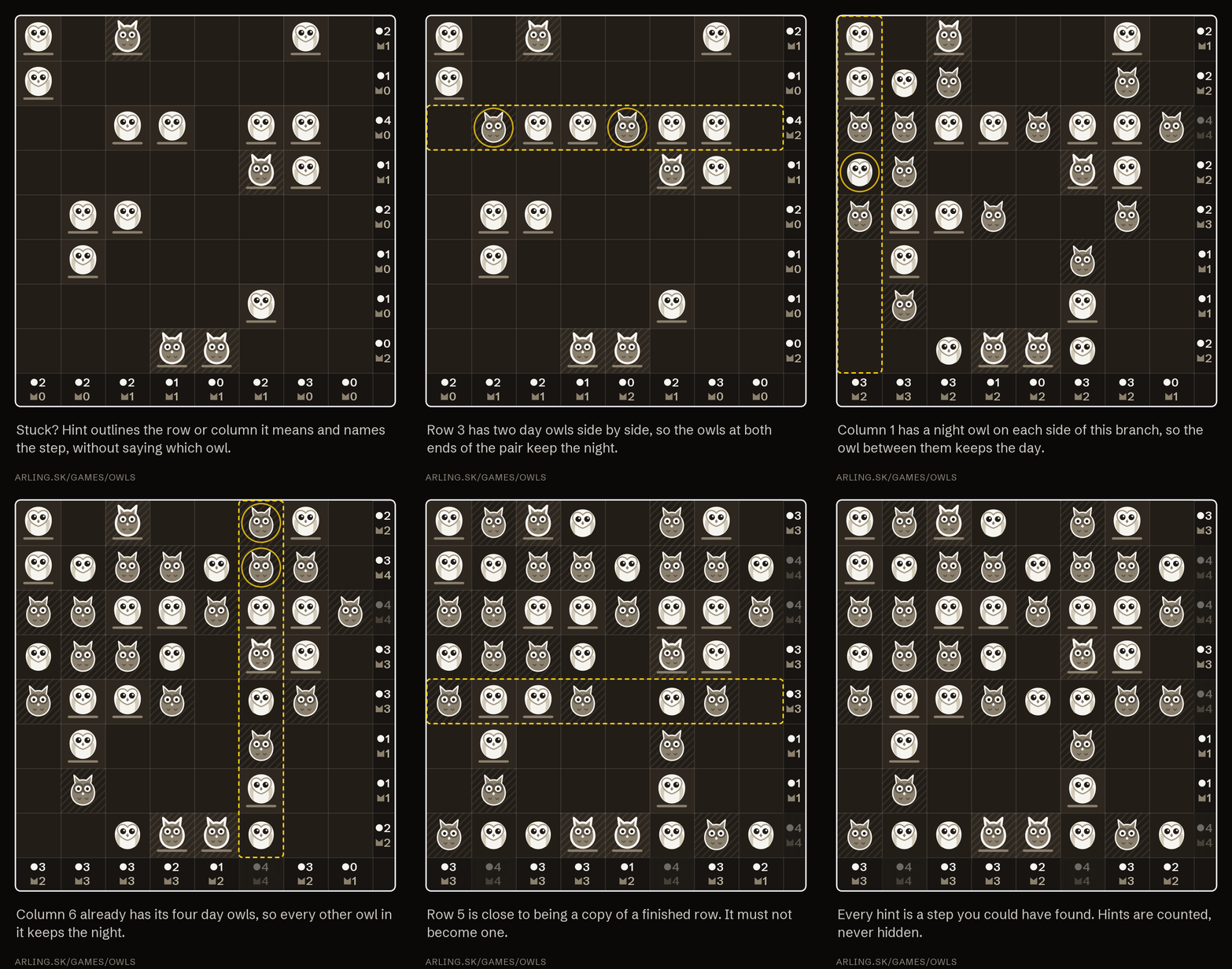
Every tree opens with steps like these. Hint finds the next one for you, lights the row or column it means and says why, without saying which owl goes there; press it again to place it. Hints are counted and shown when you finish, never hidden.

  • Two alike. Two owls of one kind side by side: the branches at both ends take the other kind.
  • One between. Two owls of one kind with a single empty branch between them: that branch takes the other kind.
  • A full row. A row or column that already has all the owls of one kind it can hold: every empty branch left takes the other kind.
  • Count what is left. A row that needs just one more owl of a kind: put it in the wrong place and three of the other kind end up side by side.
  • No twins. A row that matches a finished row everywhere except two empty branches: those two go the other way round.
Animation: Hint outlines a row, explains the step, then places the owls it means; this repeats for the next steps.

The week.

Difficulty is measured, not guessed. Every tree is checked to be solvable by these steps alone; the candidates for a date are ranked by which steps they need and how many.

Monday, TuesdayEasy, six by six. Pairs, gaps and full rows are all it takes.
Wednesday, ThursdayMedium, eight by eight. The twin rule starts to matter.
Friday, SaturdayHard, ten by ten. More counting across whole rows.
SundayChallenge, twelve by twelve. Now and then one owl has to be tried and followed until something breaks, never for more than six steps. Hint then names every step and numbers on the tree the branches each step would fill.

This week

Practice, archive, history.

Practice sets: twenty-four trees with no date attached, three sets of eight for each level. They never change and do not touch your streak.

Archive: every daily tree since 10 September 2025, free. The same page shows your own history: every tree you solved in this browser, with time and hints. Nothing is sent anywhere; it lives in your browser only.

Stuck or found something wrong? Write to support@arling.sk.